Organic vs Bought Followers: The Difference, and How to Measure It
How organic follower growth differs from a bought audience in every number that matters, how to tell which one an account has, and how to gain followers that actually do something.
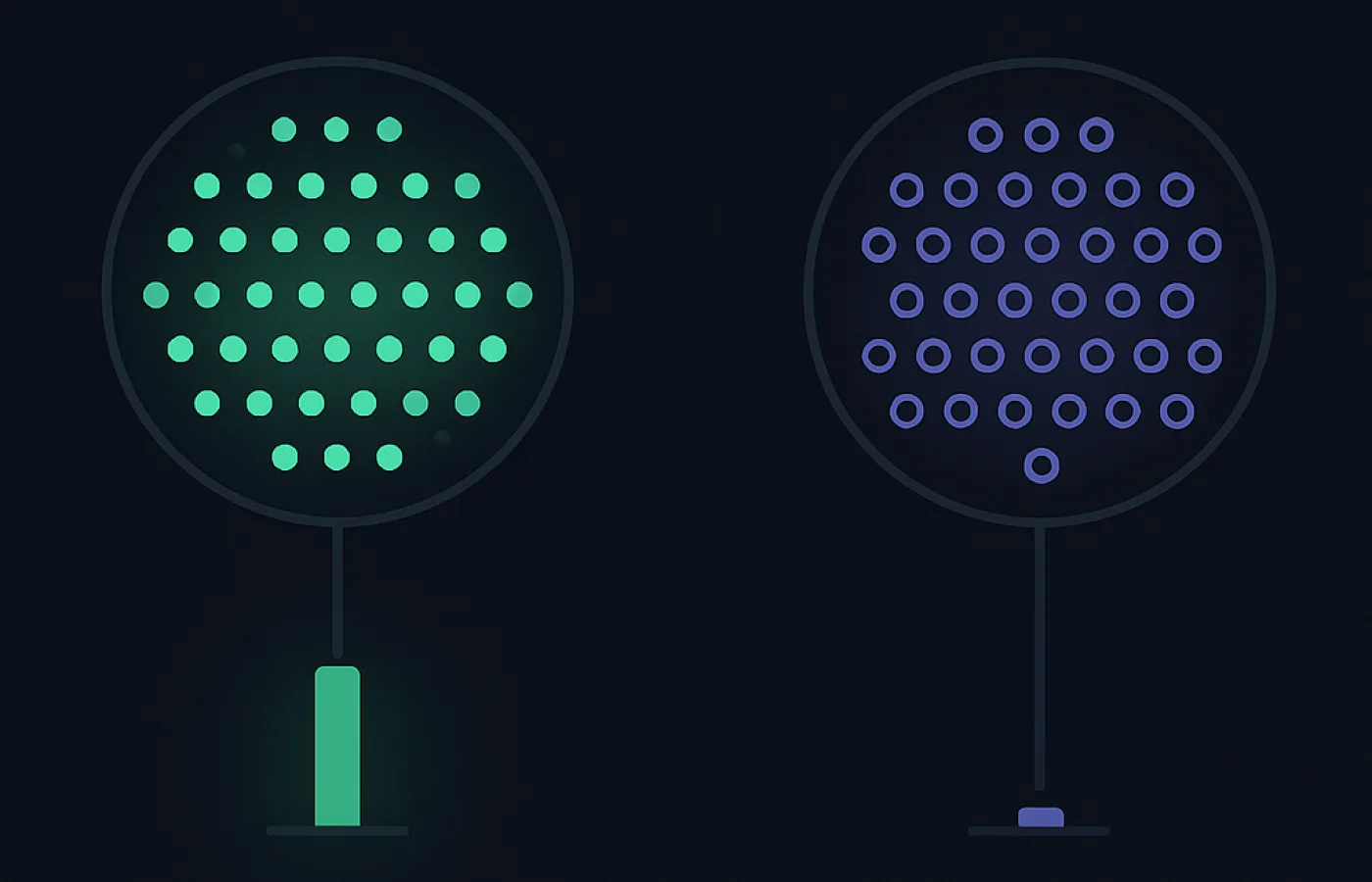
Two accounts with 10,000 followers can be worth wildly different amounts, and the difference is visible in about thirty seconds if you know which three numbers to look at.
This guide covers what those numbers are, why the gap exists, and what growing organically actually requires.
The difference in one table
| Signal | Organic audience | Bought audience |
|---|---|---|
| Engagement rate | Falls slowly as the account grows | Falls sharply and immediately |
| Story views | 10–30% of followers | Often under 2% |
| Comment quality | Specific, occasionally argumentative | Emoji-only or generic phrases |
| Follower locations | Match the content's language | Scattered across unrelated countries |
| Growth shape | Uneven, with visible spikes from good posts | Straight vertical steps at odd hours |
| Reach trend | Rises with the account | Falls after each purchase |
Story views is the fastest single check. It is hard to fake, it is visible to the account owner, and it correlates with almost everything else on this list.
Why bought followers lower reach
The mechanism is proportional, not punitive. No platform is punishing you; the arithmetic simply works against you.
- Distribution is decided partly by how the people shown a post respond to it.
- Response is measured as a share of the audience, not as a count.
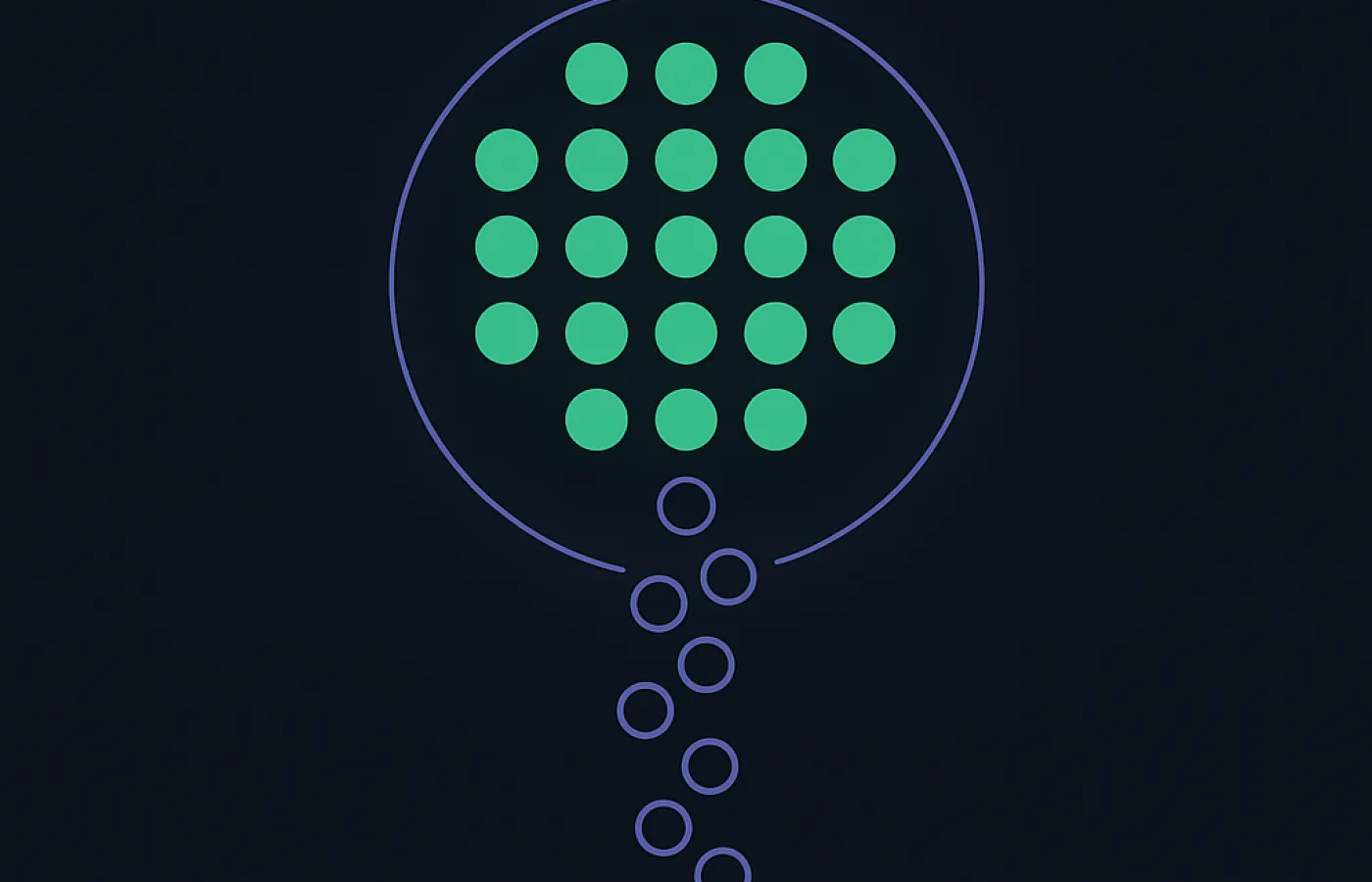
- Bought accounts never respond, so they enlarge the denominator and leave the numerator alone.
- The share falls, so the next post is shown to fewer people, so the count falls too.
You can watch this happen in your own numbers. Run the engagement rate calculator on a post from before a follower jump and one from after — the two figures usually differ by more than people expect.
What organic growth actually costs
It is free of money and expensive in two other currencies. Being honest about which is which is what stops people from quitting in month two.
- Time. Roughly 45 minutes per post end to end, plus the replies. That is the real budget line.
- Patience. Three to six months to the first 1,000, and the first three weeks produce nothing at all.
- Consistency, which is harder than either. A modest schedule kept for twelve weeks beats an ambitious one kept for two, and it is not close.
The 30-day content plan tool converts your available hours into a posting rate you can actually hold, which is a more useful starting point than an aspirational one.
How to check another account before working with it
Useful if you are considering a collaboration, buying a shoutout, or hiring someone whose main credential is their follower count.
- Divide recent likes by follower count. Under 1% on Instagram at any size below 100k deserves a second look.
- Read twenty comments. If most are emoji or three-word generics, the engagement is bought or exchanged.
- Look at the follower list for accounts with no picture and no posts — check ten, not one.
- Ask for a screenshot of reach and story views rather than follower count. Reach is the number an advertiser is actually buying.
- Check whether the growth curve has vertical steps. Real growth is uneven; bought growth is geometric.
What replaces buying, practically
The reason people buy is impatience with a real problem: a new account has no distribution. These are the legitimate ways to shorten that.
- Collaboration posts. The single fastest legitimate route to a new audience, because you appear in someone else's feed.
- Being a guest on a podcast, live or newsletter in your niche.
- Answering questions where they are already being asked — in comments under bigger accounts, in forums, in communities.
- Repurposing to a second platform once the first is stable, which doubles the surface area for the same work.
- One format, repeated, so the platform learns who to show you to.
None of these is instant. All of them compound, which is the property bought followers specifically do not have.
Open the free tools Read the main guide
No sign-up, no account connection, no password.
No tool on this site connects to your account or asks for your password. Never share your password with any website.
Questions about this guide
How can I tell if someone bought their followers?
Check three things: likes as a share of followers, the quality of twenty comments, and story views if you can see them. An account with 50,000 followers and 200 likes with emoji-only comments is not a real audience. Reach and story views are the numbers an advertiser is actually buying, so asking for those instead of follower count filters out most of the problem.
Is buying followers illegal?
It is not usually illegal, but it breaches the terms of service of all four platforms and the consequence is removal of the inauthentic accounts. In some jurisdictions, presenting a bought audience to a brand as if it were real is a consumer protection matter rather than a platform one. The practical cost is the suppressed reach, which arrives regardless of any enforcement.
Can I recover after buying followers?
Usually yes, over two to three months. Remove the fake accounts slowly, a few dozen a day rather than thousands at once, keep posting through the dip, and expect the engagement rate to recover before reach does. The accounts that do not recover are almost always the ones that stopped posting while waiting for the numbers to improve.
Do brands actually check?
Increasingly, yes, and the tools they use are better than the ones that sell followers. Most agencies now price against reach, story views and completion rate rather than follower count, which means a bought audience costs money and delivers no negotiating position. A smaller genuine account with a strong rate often prices higher per post.
Last reviewed on 2026-08-14. Check the platform's own help pages for current features. This site is independent and is not affiliated with Meta, Instagram, TikTok or YouTube.